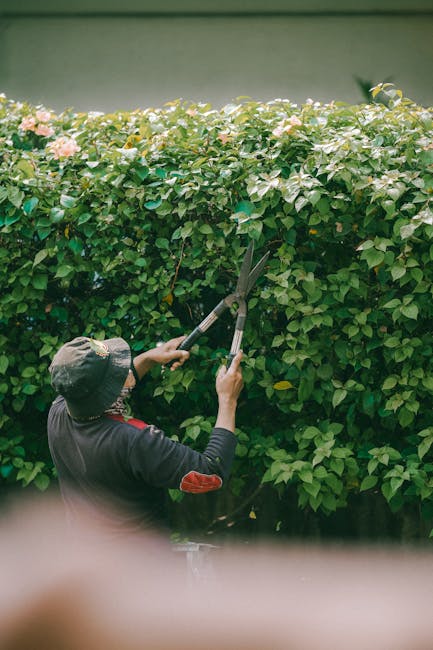
Avoid common mistakes when hiring Upminster gardening services
Hiring a gardener should make life easier, not create another headache. Yet plenty of people in Upminster end up choosing the wrong team for the wrong reasons: a price that sounds tempting, a fast promise with no detail, or a van at the kerb and not much else. If you want reliable results, it helps to know how to avoid common mistakes when hiring Upminster gardening services before you agree to anything.
This guide walks you through the practical checks that matter, the red flags that are easy to miss, and the questions worth asking before work starts. Whether you need regular upkeep, a one-off clearance, hedge cutting, or a bigger outdoor refresh, the aim is simple: fewer surprises, better workmanship, and a garden that actually looks cared for, not merely tidied in a hurry.
And yes, some of the mistakes are boring on the surface. But they are the expensive ones. Funny how that works.
Why it matters
Garden work seems straightforward until it isn't. A simple lawn cut can turn into patchy turf if the timing is wrong. Hedge trimming can go from neat and tidy to oddly squared-off and stressed plants. A clearance job can leave behind waste, hidden roots, or an unfinished border that looks worse than before. That is why choosing gardening services carefully matters so much.
In a place like Upminster, where gardens often have a mix of lawns, shrubs, mature trees, fencing, patios, and seasonal growth all competing for attention, the difference between a decent job and a careless one shows quickly. One bad visit can leave you with uneven grass, damaged planting, or a quote that did not include half the work you expected. Nobody enjoys that awkward conversation on a damp Tuesday morning, especially when the back garden already looks like it has had a rough week.
Getting it right also protects your budget. A rushed choice often leads to repeat call-outs, extra clean-up, or having to rebook the work elsewhere. It is not just about appearance. It is about service quality, safety, and whether the contractor understands what your garden actually needs.
Expert summary: the best local gardening hire is rarely the cheapest or the quickest to respond. It is the one that explains the work clearly, sets expectations honestly, and shows they understand the site before they start.
If you are comparing wider service options, the services overview is a useful starting point for seeing how different jobs fit together, from maintenance to bigger outdoor improvements.
How the hiring process works
Most people start with a need, not a service list. Maybe the lawn has grown wild after a wet spell. Maybe the hedges are blocking light. Maybe you have a neglected border, an overgrown corner, or a garden clear-out after a house move. The process should be simple, but a good contractor still needs enough information to give you a sensible quote and plan.
At a high level, the process usually works like this:
- You describe the job clearly, including the size of the garden, access issues, and any awkward areas.
- The gardener reviews the scope, either from notes, photos, or a visit where needed.
- You receive a quote or estimate with enough detail to understand what is included.
- Dates, materials, waste removal, and payment terms are confirmed.
- The work is carried out, then checked and signed off.
That sounds simple, but many problems start when one of those steps is rushed. For example, if you only say "general tidy-up," the contractor may interpret that very differently from what you had in mind. One person means a light trim and sweep; another expects hedge reduction, lawn edging, and all dead growth removed. Not ideal.
If your garden needs ongoing care rather than a one-off visit, ask about structured garden maintenance. For regular grass care, lawn mowing is usually best discussed as a recurring service, not just an occasional chop-and-go arrangement.
Key benefits and practical advantages
When you choose well, the upside is bigger than a tidy lawn. A good local gardener brings consistency, saves you time, and helps keep the garden healthier over the long term. That matters in a UK climate where growth can move from manageable to unruly very quickly after a bit of rain and sun. One week it looks calm, the next it is a jungle with opinions.
Here are the main benefits of hiring with care:
- Better results: A clear brief and a competent team usually mean cleaner lines, healthier plants, and less mess left behind.
- Less waste: A properly planned job avoids repeat visits, unnecessary labour, and avoidable disposal costs.
- Safer work: Tree work, hedge work, and heavy clearance carry risks that should not be guessed at.
- More reliable budgeting: A transparent quote helps you avoid surprise extras.
- Long-term garden health: Good maintenance choices reduce stress on lawns, shrubs, and trees.
There is also a simple emotional benefit, which people sometimes forget to mention. Coming home to a neat, well-kept garden just feels better. You hear the crunch of gravel, see the edges sharpened, and suddenly the whole place looks like it belongs to you again.
If your project involves more than routine upkeep, it may be worth exploring landscaping or landscape gardening where design, structure, and planting choices are all part of the job. For harder resets, garden clearance can be the cleaner first step before anything more ambitious begins.
Who this is for and when it makes sense
This advice is useful for anyone in Upminster who wants dependable outdoor work without the hassle of guesswork. That includes homeowners, landlords, tenants with garden responsibilities, letting agents, and anyone preparing a property for sale or rent.
It is especially relevant if you are:
- booking a one-off tidy-up after months of growth
- looking for regular maintenance through the year
- dealing with overgrown hedges or boundary plants
- planning a garden refresh before an event or property viewing
- needing help with heavier work such as clearance, pruning, or tree removal
- comparing a few local contractors and not sure how to judge them fairly
It also makes sense if you have had a poor experience before. A lot of people only learn what to ask after a bad job. To be fair, that is normal. Most of us only get sharper after we have paid for a lesson.
For more specialised jobs, check the relevant service pages early in your decision-making. If a hedge is the main issue, the hedge trimming page helps set expectations. If trees are involved, especially larger or riskier work, tree lopping and removal is the better reference point than a general gardening description.
Step-by-step guidance
If you want to avoid common mistakes, use a simple process. It does not need to be complicated, just disciplined.
1. Define the job properly
Before you ask for a quote, list the actual tasks. Be specific about the lawn, hedges, beds, borders, waste, access, and any fragile areas. A short note or a few photos can save a lot of back-and-forth.
2. Decide whether it is one-off or ongoing
Some gardens need a clean reset, while others need regular upkeep. If you want consistent results, regular scheduling is often better than waiting until everything becomes overgrown. It is one of those simple truths that sounds obvious only after the fact.
3. Ask what is included
Do not assume edging, green waste removal, sweeping, or plant pruning are included. Ask directly. The more open-ended the quote sounds, the more important this becomes.
4. Check whether the gardener is suited to the task
Not every contractor is ideal for every job. Routine mowing, trimming, clearance, and larger landscaping work can require different equipment, timings, and experience. Match the team to the work.
5. Compare like for like
When you receive quotes, compare the scope, not just the number at the bottom. A cheaper quote that excludes waste removal or hedge shaping may end up costing more once those extras are added.
6. Confirm timings and access
Let the contractor know where they can park, where to access the garden, and whether gates, pets, or neighbours create any limitations. Small things. Huge difference.
7. Agree payment terms before the job starts
Read the payment terms and ask how payment is handled if the job changes. If your project is bigger, review the payment and security information so there are no awkward surprises later.
8. Review the result before closing out the work
Walk the garden with the contractor if possible. Check the edges, the debris, the agreed areas, and the overall finish. A two-minute review can prevent a much longer follow-up call.
Expert tips for better results
Here is where a bit of experience pays off. A few careful decisions can make the whole job smoother.
- Ask for a written scope: Even a simple summary by email or message helps keep everyone aligned.
- Share photos in daylight: Pictures taken in bright, natural light show the true state of the garden far better than a quick evening snap after rain.
- Flag problem areas early: Slopes, hidden debris, broken paving, unstable fencing, and low branches should be mentioned up front.
- Think seasonally: Spring and early summer can bring fast growth, while autumn jobs often involve more clearance and leaf waste.
- Prioritise trust over haste: A team that asks sensible questions is usually better than one that says "yes" to everything in ten seconds flat.
A small but useful detail: if you have wildlife-sensitive planting, ponds, or areas you want left untouched, say so clearly. Gardeners are not mind readers. Shame, because that would save time.
If sustainability matters to you, it is worth checking how waste is handled and whether the contractor follows a sensible recycling approach. The page on recycling and sustainability is a good reminder that responsible garden work is not only about appearance; it is also about how green waste and materials are managed.
Common mistakes to avoid
This is the part that saves people money and stress. These mistakes come up again and again.
Choosing only on price
The cheapest quote is not always the best value. Sometimes it reflects a lean, efficient operation. Other times it means the work will be rushed, partially completed, or padded out later with extras. Price matters, but so does clarity.
Not checking what waste removal includes
A garden can look transformed after the cutting is done, but if clippings, branches, soil, and bags are left behind, the job is only half-finished. Always confirm whether green waste removal is included.
Giving a vague brief
"Can you sort the garden out?" is a decent start, but not enough on its own. Say what you want done and what you want left alone. Vague instructions lead to vague outcomes.
Ignoring access and parking
If the team cannot easily reach the garden, work time increases. If parking is awkward, costs may rise or the visit may be delayed. It is the sort of thing people forget until the van is already circling the street.
Assuming every gardener handles every job
Routine mowing is different from hedge reduction, and both differ from tree work or structural landscaping. Use the right specialist for the right job.
Skipping the safety conversation
If ladders, power tools, climbing, or heavy lifting are involved, ask how the work will be made safe. A responsible contractor should be comfortable discussing this in plain language.
Not reading the terms
Yes, terms and conditions are dull. We all know that. But they usually explain cancellations, payment timing, limits of service, and what happens if the scope changes. A few minutes here can prevent a frustrating dispute later.
Expecting instant perfection on neglected gardens
Some gardens need a staged approach. If the site has been neglected for months, a proper reset may take more than one visit. A good contractor should be honest about that rather than pretending otherwise.
Tools, resources and recommendations
You do not need specialist equipment to choose well, but you do need a few practical habits.
- Photos and measurements: Use your phone to capture before shots and rough dimensions.
- A simple job list: Write down what you want done, then rank it in order of priority.
- Message or email trail: Keep the quote, the scope, and any changes in one place.
- Calendar reminders: If you want seasonal maintenance, set reminders before growth peaks or leaf drop begins.
- Property notes: Make a note of shared access, pets, or plant areas that should be protected.
For readers comparing services, these pages are useful because they help you match the task to the right type of work: garden maintenance, lawn mowing, hedge trimming, garden clearance, and landscaping.
If you are unsure what service level you need, it is often useful to start with the broader services overview and then narrow things down based on the condition of the garden. That is usually the least painful route, honestly.
Law, compliance, standards, and best practice
Not every gardening job has a heavy compliance element, but some do. Tree work, waste handling, public-facing access, electrical equipment, and certain site conditions may all introduce additional responsibilities. It is sensible to discuss these in advance rather than treating them as afterthoughts.
In the UK, good practice generally means the contractor works safely, uses suitable equipment, and takes care not to damage property, neighbours' boundaries, or protected planting. For larger or riskier work, ask how safety is managed and whether the team is insured. The page on insurance and safety is the right place to check that the provider has thought about this properly.
If you are booking work that involves tools, height, or unstable surfaces, a clear safety process matters. The health and safety policy can help you understand how the business approaches risk, while the terms and conditions should explain the practical boundaries of the service.
For consumers, the big takeaway is simple: do not be shy about asking how the contractor handles safety, waste, payments, complaints, and unexpected issues. A trustworthy provider should welcome the question. If they do not, that tells you something too.
Good practice also means fair treatment, clear communication, and proper handling of personal information and payments. If you want to understand how the business manages those operational basics, it can be worth reading the privacy policy and payment and security pages before you commit.
Options, methods, or comparison table
Different jobs call for different approaches. The table below gives a simple comparison to help you avoid choosing the wrong type of service for the job at hand.
| Service type | Best for | Typical advantage | Main mistake to avoid |
|---|---|---|---|
| Regular maintenance | Gardens that need ongoing care through the year | Consistent presentation and healthier growth | Waiting until the garden is badly overgrown |
| Lawn mowing | Lawns that need neat, regular cutting | Cleaner finish and more even appearance | Booking it as a one-off when the lawn needs a schedule |
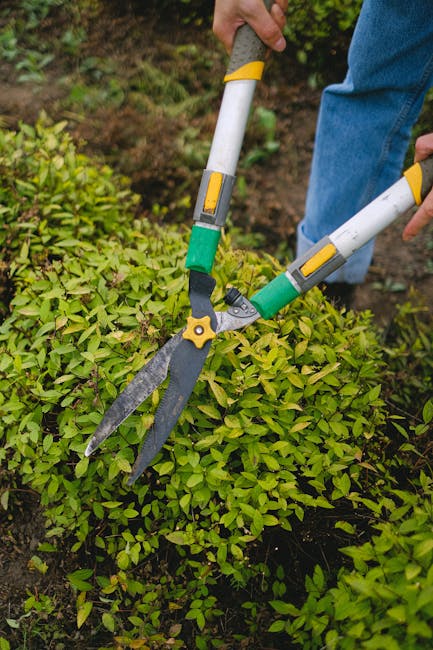
| Hedge trimming | Boundary hedges, privacy screening, tidy shaping | Improved shape and light levels | Assuming all hedges can be cut the same way |
| Garden clearance | Overgrown, cluttered, or neglected spaces | Fast visual reset | Not checking waste removal or disposal |
| Landscaping / landscape gardening | Redesigns, structure changes, layout improvements | More functional and attractive outdoor space | Hiring a basic tidy-up service for design-led work |
If the garden needs a more structural reset, such as new layout lines, surfacing, or broader outdoor changes, it makes sense to start with landscape gardening rather than assuming a maintenance visit can solve everything. That distinction saves arguments later.
Case study or real-world example
A fairly typical example: a homeowner in Upminster wants the rear garden "sorted" before family visits. The lawn is patchy, the hedge has grown wide, and the back corner has become a storage area for broken pots, old canes, and things that somehow survived three seasons and a winter. They call for a quote based only on the words "general tidy-up."
The first quote is low, but it covers only mowing and a light trim. No waste removal. No clearance. No hedge reduction. The second quote is slightly higher, but it includes a clearer scope, disposal, and a sensible order of work. The homeowner chooses the second one, and the job is done in a way that actually solves the problem rather than just shaving off the top layer of it.
That is the real lesson. A good decision is not about getting the quickest answer. It is about getting the right scope. Once the work starts, that difference becomes very visible, very quickly. You can almost hear the sigh of relief when a border is cleared properly and the garden starts breathing again.
Practical checklist
Use this before you book any gardening service in Upminster.
- Have I described the job clearly and specifically?
- Do I know whether this is one-off work or ongoing maintenance?
- Have I asked exactly what is included in the quote?
- Do I understand whether waste removal is included?
- Have I checked whether the team is right for the type of work?
- Have I noted access, parking, gates, pets, and neighbour issues?
- Have I reviewed safety, insurance, and payment terms?
- Do I know what finish I should expect at the end?
- Have I compared quotes on the same basis?
- Do I have a clear way to follow up if something is missed?
If you can tick most of these off, you are already ahead of the game. No drama, no guesswork.
Get a free quote today and see how much you can save.
Conclusion
The easiest way to avoid disappointment is to treat hiring a gardener like any other important service decision: be clear, ask sensible questions, and compare what is actually being offered rather than what you assume is included. That approach protects your budget, your time, and the condition of your garden.
In Upminster, where garden needs can vary from neat weekly upkeep to full clearances and more involved outdoor improvements, the best results come from matching the right service to the right job. Once you do that, everything gets easier. The quotes make more sense, the work feels smoother, and the final result usually looks cleaner too.
If you are still weighing things up, use the available service pages to narrow down what you need and keep the conversation practical. That way, you are not just hiring help. You are choosing the right help.
And that, truth be told, is where the stress disappears.
Frequently asked questions
How do I know if a gardening quote is fair?
A fair quote should clearly show what is included, such as labour, waste removal, hedge shaping, or follow-up tidy-up. Compare the scope, not just the total price. If one quote is much lower, check whether it has quietly left out the harder parts of the job.
What should I ask before hiring a gardener in Upminster?
Ask what services are included, whether waste disposal is part of the price, how access will work, what payment terms apply, and whether the contractor has suitable insurance. Those questions are not fussy; they are sensible.
Is it better to hire for one-off garden work or regular maintenance?
It depends on the garden. If it is already overgrown, a one-off clearance may be the best first step. If the garden is already in decent shape, regular maintenance is often better value because it prevents the work from building up again.
Should I choose the cheapest gardener?
Not automatically. Cheapest can be fine if the scope is genuinely similar, but very low prices sometimes mean key tasks are excluded. Always ask what is not included as well as what is.
Do I need written confirmation of the work?
Yes, ideally. A short written summary by email or message helps avoid misunderstandings about what will be done, when it will happen, and what the final cost covers.
What if my garden needs hedge trimming and clearance?
That is common, especially after a few months of growth. It is best to describe both parts of the job clearly and make sure the quote reflects the combined work. If trees are also involved, mention that early too.
How do I avoid hidden extra charges?
Ask directly about waste removal, parking issues, access, extra labour, materials, and whether the quote assumes easy access to the whole garden. Hidden extras usually appear when the original brief was too vague.
What should a good garden contractor be able to explain?
They should be able to explain the work plan, the likely time needed, how waste will be handled, what results to expect, and any limitations. If they cannot explain the basics in plain English, that is worth noticing.
When should I book garden work?
Ideally before the garden has become a mess. Spring and early summer can get busy with growth, while autumn often brings leaf fall and clearance work. Booking earlier usually gives you more choice and less pressure.
Is tree work different from normal gardening?
Yes. Tree lopping and removal can involve more risk, different equipment, and a higher level of care. It should be treated separately from routine mowing or tidying. If trees are part of the job, discuss them specifically.
Can I combine lawn mowing, hedge trimming, and clearance in one visit?
Often, yes. In fact, combining tasks can be efficient if the contractor has planned for it. Just make sure the quote clearly lists each task so nothing gets forgotten or assumed.
What is the biggest mistake people make?
Probably giving too little detail and then expecting the contractor to read their mind. That almost never ends well. Clear instructions, clear scope, clear pricing. Simple, but powerful.