Gardening Services in Upminster

Gardening services in Upminster can cover the steady, practical work that keeps outdoor spaces tidy, usable and visually balanced throughout the year. Our service focus includes routine maintenance, hedge trimming, lawn care, garden clearance and wider landscaping support where a space needs more than a simple tidy-up. The aim is to provide clear, dependable garden work that helps householders and property managers keep on top of their grounds without turning every task into a separate project.
We work across the main day-to-day tasks that gardens commonly need, from regular cutting and shaping to more involved improvements when planting beds, paths or boundary lines need attention. Some customers want a one-off visit to bring a neglected garden back under control; others need a recurring maintenance plan so the space stays presentable with less effort. In both cases, the work is planned around the garden itself rather than pushed into a one-size-fits-all approach, so the outcome is more practical and easier to maintain.
For a straightforward start, it helps to think about the result you want: a tidy front garden, a manageable lawn, better structure, or a full refresh. Tell us what needs doing, and we can shape the work around that. If you are comparing options or planning a larger outdoor project, you can also view the services overview for a clearer picture of the kinds of gardening and landscaping support available.
Garden maintenance for tidy, usable outdoor spaces
Regular garden maintenance is often the simplest way to keep outdoor areas under control without letting tasks build up. That can include mowing, edging, weeding, pruning, leaf clearance and general tidying, depending on what the space needs in a given season. Good maintenance work is not just about appearance; it also helps beds remain defined, grass stay healthier and access routes stay clear enough for normal use.
When a garden has mixed features, maintenance has to be managed in the right order. Taller growth may need to be reduced before finer work can begin, and soft planting areas may need a lighter touch than paved edges or lawn borders. Our approach is to match the job to the condition of the garden, so the finish is neat without stripping away the character of the space. If you are arranging a recurring visit, the key is consistency rather than drastic intervention.
Lawn care and edging that keeps the whole plot looking finished

Lawn care is one of the most visible parts of garden work, and the details matter. A cut lawn can still look unfinished if the edges are uneven or if surrounding borders have started to creep into the turf. We handle mowing as part of a broader finish, including trimming around boundaries, tidying overgrowth and making the lawn sit more naturally within the rest of the garden. That makes the result look deliberate rather than rushed.
In practice, lawn care may involve more than a single cut. Some lawns need extra attention because the grass has become patchy, long or uneven, while others simply need regular upkeep to stay presentable. The right approach depends on the condition of the turf and the surrounding garden features. Where a garden has both lawn and planting beds, we can keep the transition clean and visually balanced so one area does not make the rest feel neglected.
Useful lawn work usually follows a simple order:
- clear debris that could interfere with cutting
- mow or trim the grass to the agreed finish
- edge borders and paths for a sharper outline
- remove cuttings or bulky waste where needed
Hedge trimming and boundary shaping
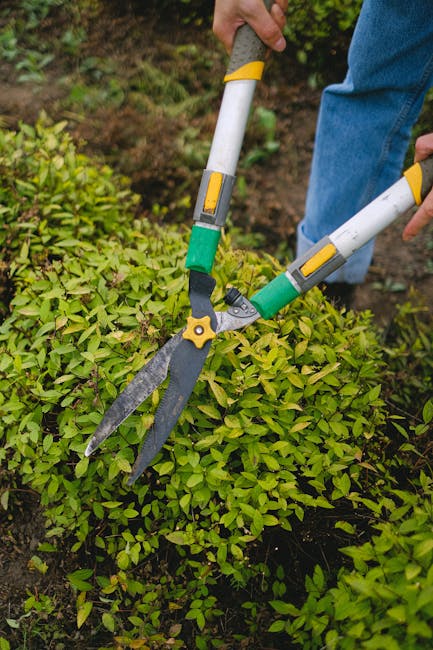
Hedges can provide privacy, shelter and structure, but they need regular trimming to stay neat and manageable. Over time, growth can become uneven, push into paths or reduce light in the garden. Trimming is therefore partly about shape and partly about control. We aim to keep hedges looking ordered while respecting the natural form of the plant, rather than forcing every line into a harsh finish that may not suit the garden.
Boundary trimming is also useful where the hedge forms part of the overall layout, such as along a fence, drive edge or rear perimeter. A well-cut hedge can make the whole property feel more maintained, particularly when paired with tidy borders and clean lawn edges. If you need a dedicated hedge visit, our hedge trimming page explains that work in more detail and can help you judge whether your hedge needs a light tidy or a more substantial cut-back.
Garden clearance for overgrowth, clutter and neglected areas

Garden clearance is for spaces that have moved beyond routine tidying and need a more decisive reset. This may involve cutting back overgrowth, removing accumulated cuttings, clearing away unwanted garden debris or opening up areas that have become difficult to use. The purpose is not simply to make the site look cleaner for a day; it is to restore a workable layout so further maintenance or landscaping can take place more easily afterwards.
Clearance work is often best approached in stages. Thick growth, loose waste and difficult access points can each affect the order of work, and it is usually more efficient to clear the obvious obstructions first before dealing with finer detail. If the garden has been left for some time, the process can reveal what can be recovered and what may need replacing. For projects that begin with a difficult, untidy plot, our garden clearance service is a practical place to start.
When planning a clearance, it helps to separate what must go, what can stay and what should be protected. That distinction matters because a clearance is not the same as a full redesign. Some customers only need the bulk waste removed and the area made accessible again, while others want enough work done to allow planting, turf care or landscaping to follow. Either way, the result should leave the garden ready for its next stage.
Landscape gardening for reshaping beds, borders and outdoor layout
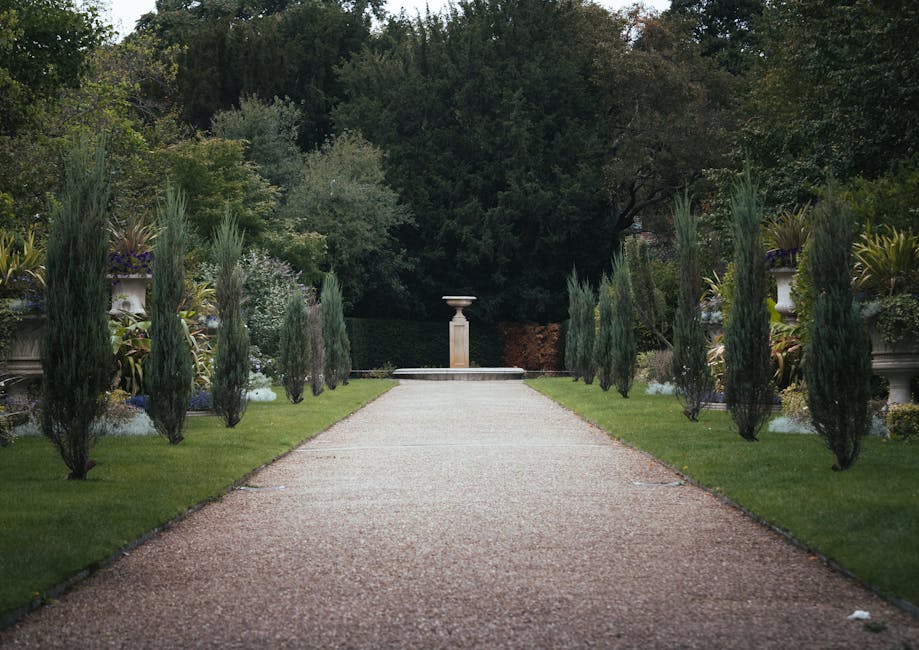
Landscape gardening moves beyond basic upkeep and looks at how the outdoor space is organised. This can involve reworking beds and borders, adjusting levels, defining paths or bringing together planting and hard features so the garden reads as one coherent space. It is a useful option when a property needs a clearer layout, better flow or a more considered balance between open ground and structured areas.
Good landscape gardening should suit the scale of the garden rather than overwhelm it. In a smaller space, modest changes can make the biggest difference, such as widening a border, simplifying a cluttered layout or creating a neater edge around planting. In a larger space, the work may need more planning so different zones feel connected. Our landscape gardening page is useful if you are considering changes that go beyond regular care and want to shape the whole garden more intentionally.
Planting, structure and practical choices

Landscape gardening often works best when design and maintenance are considered together. A good layout is not only attractive when first completed; it should also be practical to keep in shape. That means thinking about access, border widths, mowing routes, pruning access and the amount of care each section will need. We focus on those practical details so the finished arrangement feels realistic, not difficult to live with.
Planting decisions can support the overall structure of the space. Some gardens benefit from stronger evergreen form, while others look better with seasonal colour, softer edges or a more open feel. The right mix depends on how much time the space should demand and which parts of the garden need to stand out. If you want to compare related work, our landscaping page covers the broader service area and how different outdoor improvements fit together.
When preparing for this kind of work, the most useful information is usually simple and specific: which areas should stay, which should change, and how you would like the space to function. If you are unsure, a clear photograph set and a brief description of the garden’s current layout can help us assess the work sensibly. That is especially helpful when the project includes both planting and hard edging.
Decking and outdoor surfaces within a wider garden plan
Decking can provide a defined sitting area, a transition between different levels or a cleaner surface where grass would be less practical. As part of a garden service, it often sits alongside other work rather than standing alone. The important point is how the deck relates to the rest of the garden: its position, edging, access and visual connection with planting or lawn areas. A well-placed deck can make a garden easier to use and more comfortable to arrange.
Where decking is being considered as part of a bigger outdoor refresh, it is sensible to think about the surrounding features as well. Steps, boundaries, planting edges and adjacent surfaces all affect how the space feels once the work is complete. That is why related tasks are often best planned together. If decking is part of your project, the decking services page is the most relevant place to review the service in a more focused way.
How we scope a quotation for garden work
Quotation requests are clearer when the garden has been described in practical terms. Useful details usually include the size of the area, the main tasks required, whether waste needs removing and whether access is straightforward. A short list of priorities can also help: for example, whether the aim is routine maintenance, a one-off clearance or a more substantial landscaping change. The more accurately the work is described, the easier it is to match the right service to the right result.
If the garden is complicated or has several separate tasks, it can help to group them before asking for a price. One visit may combine mowing, trimming and clearance, while a larger project may be split into stages. That does not automatically make the work more expensive or less expensive; it simply makes it easier to identify what is included. For customers comparing options, our pricing and quotes page offers a clear route to the next step.
About Upminster
Upminster is a suburban town in the London Borough of Havering, in east London, and it retains a distinct identity shaped by both its older village core and later residential growth. Historically, it was part of Essex before the administrative changes that brought Havering into Greater London in 1965. The area is known for a mix of detached and semi-detached housing, local shopping streets, schools and green edges that still hint at its semi-rural past. One of the best-known landmarks is Upminster Windmill, a restored Grade II* listed tower mill that stands as a reminder of the area’s agricultural history and is open on selected days for visits. There are also long-established churches and older street patterns around the centre that reflect earlier settlement before suburban expansion changed the town’s scale. Upminster lies close to the eastern boundary of London and is served by rail and Underground connections, which have helped shape its growth as a commuter area without erasing its own centre. The area also has access to open land and country park space nearby, including sections of the wider Thames-side landscape and parts of the green belt beyond the urban edge. Its character is therefore a blend of suburban convenience, local heritage and access to open surroundings, with a town centre that still functions as a recognisable local focus rather than simply a pass-through district.
Talk us through the work you want done and we can help shape the right service combination for it.
Keeping the garden manageable through the seasons
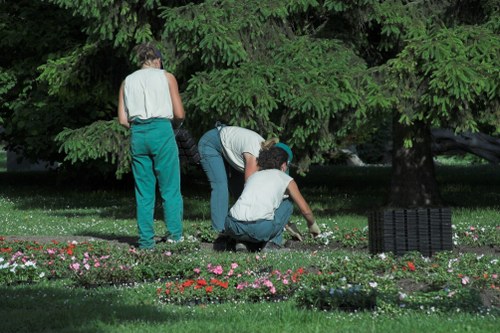
Seasonal change affects almost every outdoor space, which is why a garden often benefits from more than one type of visit over the year. In spring, growth can start quickly and beds may need attention before the garden becomes difficult to manage. In summer, lawns and hedges often need more regular attention to stay sharp. In autumn, leaf clearance and cutting back can help prevent the garden from feeling cluttered, while winter is often a good time to reassess structure and plan improvements.
There is no single routine that suits every property, because the balance between lawn, hedge, planting and hard surfaces varies so much from one garden to another. A simple space may only need light, periodic care, while a more complex layout may benefit from a planned mix of maintenance and improvement work. The useful question is not whether a garden needs a lot of work in general, but which tasks will make the biggest difference to the way it looks and functions over time.
If you are ready to move from planning to action, request a quotation and we can discuss the garden work that matters most. You can also use plain text to make an enquiry if you prefer to outline the job first, and then decide on the next step once the scope is clear.