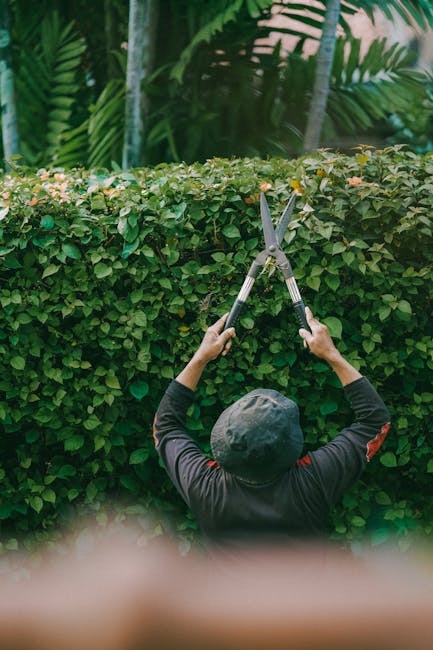
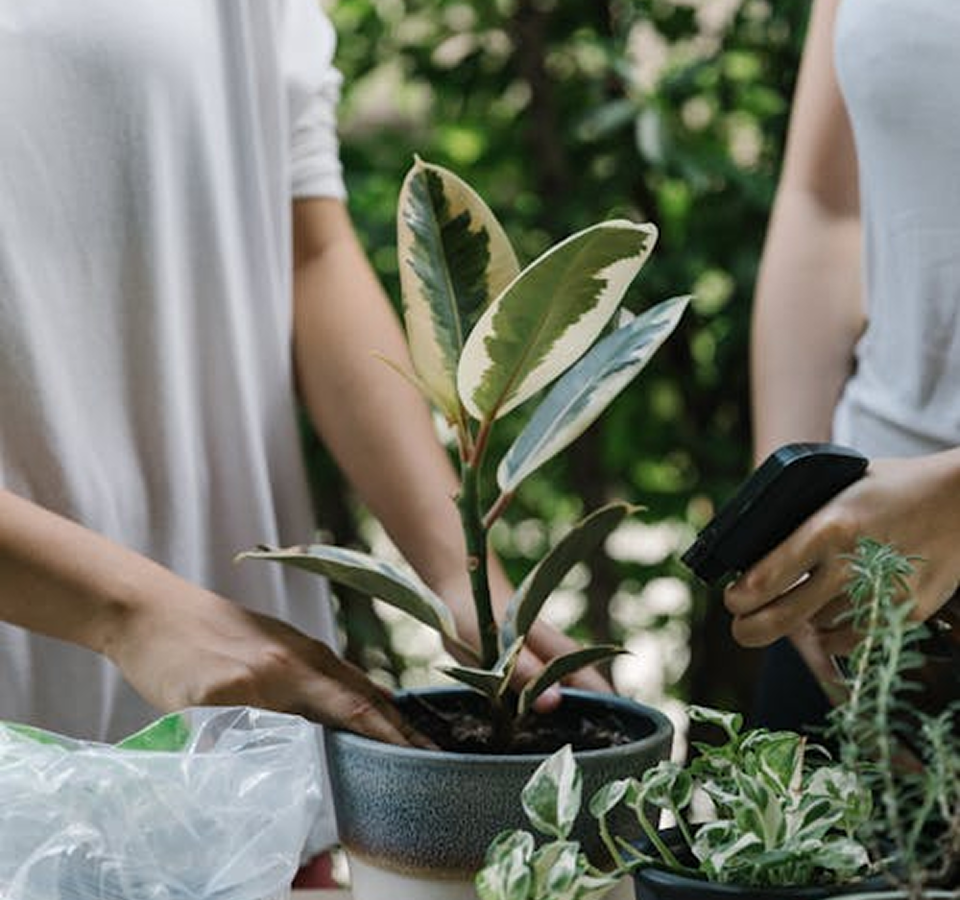
Best gardeners Upminster RM14 for small garden transformations
If your outdoor space feels more like a narrow afterthought than a garden, you are not alone. Many homes in Upminster, RM14 have compact front plots, modest back gardens, side returns, or awkward corners that never quite feel finished. The good news? With the right approach, small garden transformations can create a space that looks bigger, works harder, and feels genuinely enjoyable to use. Choosing the best gardeners Upminster RM14 for small garden transformations is less about finding the biggest team and more about finding the right eye, the right planning, and the right practical judgement.
Small gardens demand precision. A strong gardener will notice proportions, shade, drainage, access, and the everyday realities of maintenance. They will not just "tidy it up" and call it done. They will help you turn a cramped patch into somewhere calm, usable, and surprisingly stylish. Let's face it, that is the difference between a quick tidy and a proper transformation.
In this guide, you will learn how small garden makeovers work, what to expect from a good local gardener, where the value really lies, and how to avoid costly mistakes. If you are comparing options or simply trying to understand what is realistic for your space, this article will give you a clear, grounded starting point.
Table of Contents
- Why small garden transformations matter in Upminster RM14
- How the process works from first visit to finished garden
- Key benefits and practical advantages
- Who this is for and when it makes sense
- Step-by-step guidance for a smooth transformation
- Expert tips for better results
- Common mistakes to avoid
- Tools, resources and recommendations
- Law, compliance, standards, or best practice
- Options, methods, and comparison table
- Case study or real-world example
- Practical checklist
- Conclusion
- Frequently asked questions
Why Best gardeners Upminster RM14 for small garden transformations Matters
Small gardens can be deceptive. They look simple at first glance, yet they are often harder to get right than larger spaces. One misplaced shrub, a patio that is a touch too wide, or a planting scheme with too many competing colours can make the whole area feel even smaller. That is why the best gardeners in Upminster RM14 for small garden transformations matter so much: they understand how to make limited space work beautifully without overcrowding it.
In a compact garden, every square metre counts. A skilled gardener will think about circulation, sightlines, storage, maintenance, and how you actually use the space. Do you want a quiet morning coffee spot? A safe play area? A tidy low-maintenance courtyard that does not demand your weekends? These are not small questions, even if the garden is small.
Upminster properties can vary quite a bit, from newer homes with neat rear gardens to older plots with uneven boundaries, mature trees, and patchy soil. In practice, this means a local gardener who has dealt with typical RM14 conditions can save you time and trial-and-error. They are more likely to spot drainage issues, wind exposure, and the kind of shady corner where plants keep sulking no matter how lovingly you treat them. Been there. It happens.
Small garden transformations also matter because they can change how you feel about your home. A space that once felt cluttered and neglected can become a proper extension of the house. On a bright spring evening, that little patio or planting bed might be the part of the home you use most. Truth be told, that is often where the real value sits.
How Best gardeners Upminster RM14 for small garden transformations Works
A good small garden transformation usually starts with a conversation, not a spade. The gardener should ask how you live, what you dislike about the current layout, and what outcome would feel like a success. For some people, the answer is structure and neatness. For others, it is more plants, less paving, and a softer, greener feel. The best gardeners in Upminster RM14 for small garden transformations will shape the work around those priorities rather than forcing a one-size-fits-all design.
From there, the process normally follows a few clear stages:
- Initial assessment - measuring the space, checking access, understanding sun and shade, and identifying constraints.
- Design or layout planning - deciding where hard landscaping, planting, paths, seating, or storage should go.
- Preparation - clearing waste, improving soil, dealing with levels, and setting out the new structure.
- Build and planting - installing beds, edging, paving, turf, containers, or screening, then adding plants in a balanced way.
- Aftercare - explaining watering, pruning, feeding, and what to expect as everything settles in.
Not every project needs a complete redesign. Sometimes a transformation is achieved by editing what is already there: reducing the number of plant types, creating cleaner borders, or replacing tired materials with something simpler and more coherent. Small gardens are often improved more by subtraction than addition. Slightly annoying, but true.
If you are also exploring broader garden maintenance support, it can help to compare transformation work with ongoing care. A useful starting point is this guide on garden maintenance services, which can help you think through long-term upkeep as well as the initial makeover.
Key Benefits and Practical Advantages
There is a reason homeowners keep investing in smaller outdoor spaces. A well-planned transformation can make a garden feel larger, calmer, and more functional without needing lots of land. That is the practical side. The emotional side is just as real: you stop avoiding the garden and start using it.
Here are the main benefits you can expect when the work is done properly:
- Better use of space - clear zones for sitting, planting, storage, or access.
- Improved visual flow - the eye moves through the garden more comfortably, so it feels less cramped.
- Easier upkeep - smarter planting and materials reduce future maintenance.
- More usable privacy - screening, height variation, and layout can make a garden feel more secluded.
- Stronger year-round appeal - a good mix of structure and planting keeps the garden interesting beyond one season.
- Better property presentation - particularly important if you are preparing to sell or simply want a more polished home.
Small gardens also reward disciplined design choices. A restrained colour palette can feel more elegant than a mixed jumble. Raised planters can create definition without swallowing space. Vertical planting can soften walls and fences while keeping the floor area open. That kind of thinking is what separates competent work from genuinely good work.
Expert summary: In a small garden, the best outcome is rarely "more of everything." It is usually better structure, better proportion, and a planting scheme that looks intentional in every season.
If your outdoor space needs planting-led improvement, you may also find it useful to look at planting schemes for ideas on how balance, texture, and seasonal interest can transform a tight footprint.
Who This Is For and When It Makes Sense
This kind of project suits a wide range of homeowners, but it is especially useful if your garden currently feels underused or awkward. Maybe you have a narrow terrace-style space, a patchy lawn that never quite thrives, or borders that have become too busy over time. Maybe you have just moved into a house and want the garden to feel like part of the home, not a separate project you keep putting off. Fair enough, life gets in the way.
It makes sense to bring in a local gardener for a small transformation when:
- you want the garden to feel bigger without extending the footprint
- the space looks messy or overgrown and you do not know where to start
- you want a lower-maintenance layout
- there is poor planting balance, weak structure, or awkward dead space
- you need a practical improvement before selling or renting out the property
- you have drainage, shade, or access issues that need proper judgement
It is also a good option if you are comfortable with the idea of collaboration. The best results usually come when the homeowner knows their own priorities, even loosely, and the gardener turns those priorities into a workable layout. You do not need a perfect brief. Just enough honesty to say, "This bit never works," or "I want it to feel lighter and less boxy."
For some homes, a small makeover is all that is needed. For others, the job may evolve into a broader outdoor improvement project. If you think that might be the case, pages such as hard landscaping can help you understand how paths, edging, patios, and structural features fit into the bigger picture.
Step-by-Step Guidance
If you want a smoother experience, it helps to understand the process before work starts. Good small garden transformations are usually quite orderly behind the scenes, even if the garden itself is in a bit of a state at the beginning.
- Walk the space carefully
Look at the garden at different times of day. Morning sun, late shade, and damp corners all matter. A garden that looks fine at noon can behave very differently at 8am or after a heavy shower. - Decide what the space must do
Ask yourself whether the main purpose is entertaining, relaxing, storage, planting, family use, or low-effort neatness. Small gardens work best when they are given one or two clear jobs, not six. - Set a realistic budget and scope
That does not mean working to the penny. It means deciding whether you want a tidy refresh, a partial redesign, or a full transformation with new surfaces and planting. - Choose materials that suit the scale
Large slabs, chunky edging, or oversized furniture can overwhelm a small space. In many cases, slimmer lines and lighter tones are easier on the eye. - Keep the planting plan disciplined
Too many plant varieties can make a small garden feel fussy. Repetition, rhythm, and a few strong focal plants usually work better. - Build in maintenance from the start
Ask what the garden will need after the first month, first season, and first year. That question saves a lot of disappointment later on. - Review the finish with fresh eyes
Before the job is considered done, step back and check proportions, sightlines, and practical details like access and drainage. This final check is often where the real polish comes from.
One small but useful tip: if you can, do part of the decision-making in daylight and part in the evening. Gardens change character after dark, and a little lighting or reflective surface can make a surprising difference. You notice it almost immediately.
Expert Tips for Better Results
The best gardeners in Upminster RM14 do not just know how to plant things. They know how to edit space. That sounds simple, but it is a real skill. Here are some practical tips that usually make a visible difference.
1. Use fewer materials, but use them consistently
Small gardens can become visually messy when too many paving types, edge finishes, or decorative details are introduced. A compact palette feels calmer. Calm is good. Calm makes space feel bigger.
2. Create one strong focal point
This could be a specimen plant, a bench, a sculpture, or a beautifully framed planting bed. Without a focal point, the eye wanders everywhere and nowhere. With one, the garden suddenly feels organised.
3. Think vertically
Walls, fences, trellises, and planters can all carry height without taking up precious floor area. Vertical interest also helps break up a flat, boxy feel.
4. Choose plants for the real conditions, not the ideal ones
It is easy to fall in love with a plant in a nursery and forget that your garden is windy, shady, or dry. A plant that suits the actual conditions will always outperform a glamorous one that does not. Always.
5. Keep maintenance honest
If you know you will not prune weekly, do not design a garden that needs weekly pruning. The best small gardens are not just pretty on day one; they stay manageable. That is the real trick.
For gardens where structure matters as much as planting, it can be useful to explore practical maintenance planning and border care through a resource like lawn care if turf, edges, or general grass condition are part of the project brief.
Common Mistakes to Avoid
Small garden projects go wrong in predictable ways. Thankfully, they are also fairly avoidable if you know what to watch for. A lot of disappointing results come from trying to do too much in too little space.
- Overcrowding the planting - a few well-chosen plants beat a dense jumble every time.
- Using oversized furniture - bulky pieces can dominate the whole area.
- Ignoring drainage - waterlogged corners are a nuisance and can undermine the finish.
- Making paths too narrow or too wide - both can feel awkward if the proportions are off.
- Chasing trends instead of function - a fashionable idea is no help if it does not suit your space.
- Forgetting the maintenance plan - a garden can look fantastic and still be impractical.
- Skipping a clear brief - without shared priorities, the result can feel muddled.
A surprisingly common mistake is treating the whole garden as one featureless area. Small spaces work better when they are gently zoned. Even a subtle change in material, height, or planting style can help. You do not need four separate "rooms," by the way. That would be overdoing it. But one or two defined areas can make a world of difference.
Another issue is impatience. A garden often looks a bit bare right after planting. Then, a few weeks or months later, once things settle and fill out, the shape becomes clearer. People sometimes worry too early. Fair enough, first impressions matter, but plants need time. That is just how gardens behave.
Tools, Resources and Recommendations
Most homeowners do not need to buy specialist tools for a small garden transformation, but it helps to understand what a gardener may use and why. This makes conversations easier and helps you judge the professionalism of the plan.
| Tool or Resource | What It Helps With | Why It Matters in a Small Garden |
|---|---|---|
| Soil improver or compost | Boosting tired soil and helping roots establish | Poor soil shows up quickly in tight spaces, especially in borders and containers |
| Measuring tape and string line | Setting out paths, beds, and seating zones | Small errors in proportion are much more visible in compact gardens |
| Secateurs and pruning tools | Shaping shrubs and maintaining structure | Controlled growth keeps the garden neat without overfilling it |
| Edging materials | Defining borders and separating surfaces | Clean lines create a sharper, more finished look |
| Simple planting plan | Choosing species, spacing, and seasonal interest | Prevents clutter and helps the garden look coherent |
As a homeowner, your most useful "resource" may actually be a few good photos of gardens you like, plus a short list of what frustrates you about your current space. That is often more valuable than a vague idea of "something modern." Modern can mean a lot of things. One person means sleek and minimal, another means soft and natural, and someone else just wants fewer weeds. All perfectly valid.
If you want to understand what kind of support fits your situation, browsing a service overview such as gardening services can help you separate one-off transformation work from ongoing care and seasonal upkeep.
Law, Compliance, Standards, or Best Practice
Most small garden transformations are straightforward, but there are still sensible standards and responsibilities to keep in mind. In the UK, good practice usually means working carefully around drainage, access, boundaries, waste removal, and any utilities or structures already in place.
If the project includes larger changes, such as raised levels, major hard landscaping, fencing replacement, or work close to shared boundaries, it is wise to check whether any permissions, neighbour considerations, or property-specific restrictions may apply. The exact requirements can vary depending on the work and the property, so it is better to ask early than to fix problems later.
Waste should also be handled properly. A professional gardener will normally clear green waste and other site debris in a responsible way rather than leaving you with a surprise pile of bags at the end. You really do not want the "finished" garden to come with a second job.
In practical terms, the best standard is simple: the work should be safe, tidy, proportionate, and appropriate for the site. Materials should suit the space, planting should suit the conditions, and the final layout should not create maintenance headaches or access issues. That may sound obvious, but it is exactly where many rushed projects fall short.
If your garden includes mature trees or heavily established planting, it may also be worth asking how the work will protect existing roots, boundary features, and drainage paths. Small gardens can be surprisingly sensitive to disturbance. A careful approach now usually saves money later.
Options, Methods, or Comparison Table
Not every small garden needs the same kind of transformation. Some spaces need a soft refresh. Others need a structural rethink. Choosing the right method depends on condition, budget, and how ambitious you want to be.
| Approach | Best For | Typical Benefit | Possible Trade-Off |
|---|---|---|---|
| Light refresh | Gardens that are generally healthy but cluttered or untidy | Quick visual improvement and better order | May not solve deeper layout issues |
| Partial redesign | Spaces with one or two obvious problem areas | Better flow, stronger structure, improved usability | Requires more planning and coordination |
| Full transformation | Gardens with poor layout, tired surfaces, or very limited use | Biggest change in appearance and function | Higher cost and more disruption during the work |
| Planting-led makeover | Spaces that already have decent structure but feel bland | Softens hard edges and adds seasonal interest | Needs careful selection and establishment time |
For many homes in RM14, the sweet spot is a partial redesign with strong planting. That gives enough change to feel meaningful without turning the garden into a long, noisy project. Of course, if the layout is genuinely awkward, a fuller redesign may be the better call. The best gardeners will tell you that honestly rather than pretending every job needs the most expensive option.
Case Study or Real-World Example
Imagine a modest back garden behind a family home in Upminster: patchy lawn, a few tired shrubs, an old path that takes up too much space, and a seating area that gets used only because there is nowhere better to sit. The garden is not huge, but it feels even smaller because nothing quite lines up.
A practical transformation might begin by narrowing the path slightly, defining one clear seating area, and replacing the cluttered border with a simpler planting structure. Instead of five or six different shrub types, the design might use a small number of repeated plants for rhythm. A vertical element, such as trellis with climbers, could soften the fence without stealing width. If the lawn is beyond easy recovery, a smaller patch of turf or an alternative surface may work better than forcing a struggling lawn to continue pretending.
The difference is not just visual. The garden becomes easier to walk through, easier to maintain, and easier to enjoy. The space feels more deliberate. That matters more than people expect. You stop seeing "a little garden that needs work" and start seeing "a usable outdoor room."
And yes, sometimes the before-and-after impact is modest in square footage but huge in feeling. A garden does not need to be large to feel generous.
Practical Checklist
Use this checklist before booking or starting a small garden transformation. It keeps the project focused and helps you communicate clearly.
- Do I know the main purpose of the garden?
- Have I identified what I dislike most about the current layout?
- Is the garden meant to be low maintenance, family-friendly, or more decorative?
- Do I understand where sun, shade, and drainage problems occur?
- Have I set a realistic budget range?
- Do I have a rough idea of style, materials, and planting preferences?
- Have I considered how much upkeep I am comfortable with?
- Are there existing features worth keeping?
- Do I need clear access for waste removal or materials delivery?
- Have I asked about timing, aftercare, and what happens once the work is complete?
If you can answer most of those questions, you are already ahead of the curve. If not, that is fine too. Better to clarify now than halfway through the job when the patio slabs are on site and everyone is guessing. Not ideal.
Conclusion
Finding the best gardeners Upminster RM14 for small garden transformations is really about choosing someone who understands proportion, practicality, and the local realities of compact outdoor spaces. The right gardener will not simply fill the area with more plants or more features. They will help you make calmer decisions, use space better, and create a garden that suits the way you actually live.
For small gardens, good work is often quiet work. Clean lines, sensible planting, easier maintenance, and a layout that finally makes sense. Those changes may sound modest on paper, but in daily life they can be transformative. You feel it when you step outside in the morning and the space no longer feels like a problem to solve.
If you are planning a refresh, a partial redesign, or a full small-garden makeover, start with your priorities, ask the right questions, and choose a gardener who listens as well as they build. That combination is worth its weight in compost, to be fair.
Get a free quote today and see how much you can save.
And if all you do next is take a fresh look at your garden with kinder eyes, that is a pretty good start. Small spaces can surprise you.
Frequently Asked Questions
What makes a gardener the right choice for a small garden transformation?
The right gardener understands proportion, planting balance, drainage, and how to make limited space feel more open. They should also listen carefully to how you want to use the garden, not just how they would design it themselves.
How long does a small garden transformation usually take?
It depends on scope. A simple refresh may be completed quite quickly, while a fuller redesign with surfacing, planting, and structural work will take longer. The best way to estimate timing is to discuss the amount of preparation and the number of features involved.
Is a small garden transformation expensive?
It does not have to be. Costs usually depend on materials, labour, access, and how much of the garden is being changed. A focused makeover can often deliver strong results without needing a huge budget, especially if the layout is sensible.
What should I ask before hiring a gardener in Upminster RM14?
Ask about their experience with compact spaces, what is included in the work, how they handle waste, whether they provide aftercare guidance, and how they would approach your specific garden conditions. Clear answers are a good sign.
Do small gardens need a full redesign, or can they just be improved?
Many small gardens only need a targeted improvement rather than a complete overhaul. Sometimes the best result comes from editing the layout, simplifying planting, and improving one or two weak areas.
What plants work well in small gardens?
Plants that suit your light, soil, and maintenance preferences are usually best. Repeated planting, layered structure, and a mix of evergreen and seasonal interest often work well. The exact choices should fit the site rather than a trend.
How do I make a small garden look bigger?
Use a simple layout, limit the number of materials, create good sightlines, and avoid overcrowding. Vertical features, lighter tones, and repeated planting can all help the space feel more open.
Can a small garden still have seating and planting?
Absolutely. The key is proportion. A compact seating area and well-placed planting can work very well together if the layout is carefully planned. It is often better to have one comfortable seating zone than several cramped ones.
What are the most common mistakes with small garden makeovers?
The biggest mistakes are overcrowding, using oversized furniture, ignoring drainage, and trying to fit too many ideas into one small area. A small garden usually benefits from restraint and clarity.
Do I need permission for work in my garden?
Often, routine gardening does not need permission, but larger changes, boundary work, or structural alterations may need checking depending on the property and the nature of the work. It is sensible to confirm this before anything major begins.
How often will a transformed small garden need maintenance?
That depends on the design. A low-maintenance layout will need less frequent attention, while a plant-rich garden may need seasonal care, pruning, and occasional adjustments. A good gardener should explain what upkeep to expect.
What is the best next step if I am unsure where to start?
Start by identifying the single biggest problem in the garden, such as clutter, poor layout, weak planting, or lack of use. Then gather a few reference photos and speak to a local gardener who understands compact outdoor spaces. That first conversation usually makes things much clearer.