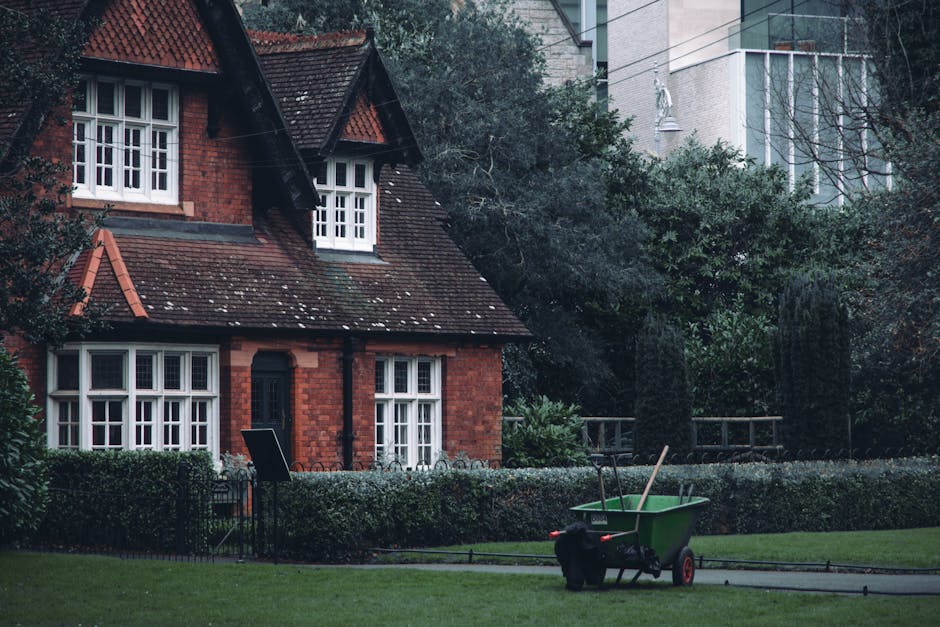
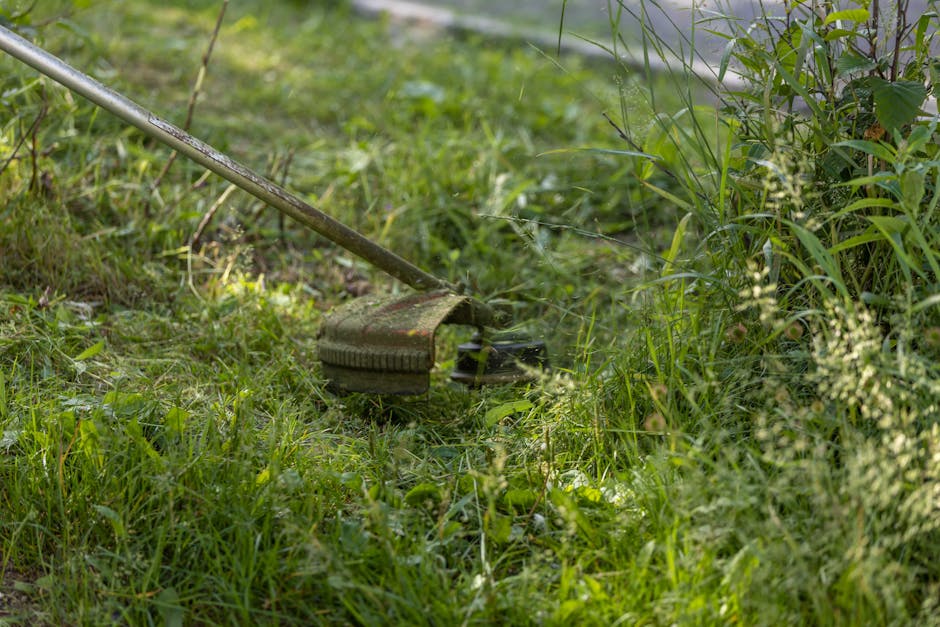
Insider tips for Upminster garden maintenance near station
If you live or work close to Upminster station, garden upkeep can feel oddly harder than it should. You're dealing with tighter access, quicker turnover, more pavement dust, more footfall, and often less time to spend outside. That is exactly why insider tips for Upminster garden maintenance near station matter: the right routine keeps a small front garden tidy, protects planting, and stops the whole space from looking a bit tired by midweek. The good news? With a few practical habits, and the right support when needed, you can keep a station-area garden looking sharp without turning it into a second job.
In this guide, you'll find the local realities that matter, how maintenance actually works in a busy rail-adjacent setting, what to prioritise, and where people usually go wrong. We'll also cover helpful service options, sensible best practice, and a straightforward checklist you can use straight away. Nothing flashy. Just the stuff that tends to make the difference.
Why this matters near Upminster station
Gardens near a station live a different life from gardens on a quiet residential lane. There's more movement, more weathering, and usually more pressure to keep things neat all year round. Even if your plot is tiny, a messy hedge, muddy path, or overgrown front border becomes noticeable very quickly when people are walking past with bags, coffee, and not much patience. Let's face it, nobody wants their garden to be the one that looks like it lost a fight with the weather.
There's also a practical side. Station-area homes and businesses often need maintenance that can be done efficiently, with minimal disruption. That means planning the work so it doesn't block access, creating room for bins and deliveries, and keeping clippings and debris under control. If your garden sits close to a main route or shared access, the margin for mess is smaller than usual.
And then there's the seasonal squeeze. In spring and early summer, growth can surge fast. In autumn, leaves and damp shade can make surfaces slippery. In winter, saturated soil and wind damage can expose weak spots you didn't notice before. A regular maintenance plan is not just about looks; it helps prevent small issues from becoming expensive ones.
Practical takeaway: near the station, garden maintenance is less about occasional big tidy-ups and more about steady, low-disruption care that keeps the space looking intentional every week.
How station-area garden maintenance works
Good maintenance starts with understanding what your garden actually needs, not what a generic checklist says it should need. A small paved front garden, for example, may need weed control, edging, sweeping, and light pruning. A larger back garden might need lawn care, hedge trimming, clearance, and seasonal planting adjustments. Different surfaces, different rhythms.
In practice, the work usually falls into a few repeatable tasks:
- Lawn mowing: keeps grass even, manageable, and healthier looking.
- Hedge trimming: stops growth from spilling into paths and sightlines.
- Garden clearance: removes cuttings, dead material, and seasonal build-up.
- Landscape gardening: helps improve layout, planting structure, and usability.
- Decking upkeep: keeps hard landscaping safe and presentable.
Near station areas, the best results usually come from shorter, more frequent visits rather than long, infrequent overhauls. Why? Because the garden stays under control, the work is less disruptive, and you're less likely to end up with that "everything needs doing at once" feeling. That feeling, by the way, is a classic one.
If you are deciding what support to use, it can help to start with a broader services overview and then narrow the work to the exact jobs that matter most. For a lot of households, that means combining a couple of maintenance tasks rather than trying to solve everything in one go.
Key benefits and practical advantages
The value of regular garden maintenance near Upminster station goes beyond a neat first impression. There are several benefits that show up very quickly once a routine is in place.
1. Better curb appeal with less effort
A trimmed hedge, swept path, and even lawn instantly make a property feel cared for. That matters whether you're a homeowner, landlord, or business owner. People notice tidy lines. They really do.
2. Lower risk of build-up and blockages
Leaves in drains, cut grass in corners, weeds in paving cracks, and branches hanging low all create little maintenance headaches. Regular attention keeps those problems from stacking up. It's a bit like washing up after dinner instead of leaving a mountain for Sunday.
3. Safer access around paths and entrances
Overgrown planting can narrow walkways, especially near doors, gates, or shared access points. Good maintenance keeps movement easy and reduces trip hazards, which is especially useful in wet weather.
4. More predictable costs
Small, scheduled jobs are usually simpler to manage than emergency clearances. The work is easier to plan, the garden is easier to assess, and you avoid the spiral where one neglected area starts affecting another. If you're comparing options, it's sensible to look at pricing and quotes early so you understand what regular upkeep might involve.
5. Better plant health
Plants trimmed at the right time, watered appropriately, and not suffocated by debris tend to respond better. That doesn't mean every garden becomes a showpiece overnight, of course. But it does mean the space looks more alive and less stressed.
Who this is for and when it makes sense
This kind of maintenance is useful for more people than you might think. You do not need a huge garden to benefit from it. In fact, smaller gardens can be more demanding because every square metre is visible.
- Busy homeowners who want the garden to stay under control without spending every weekend on it.
- Landlords who need the exterior to look presentable between tenancies or inspections.
- Commuters who leave early and come back late, with little daylight to spare in winter.
- Older residents who want safer, easier upkeep without heavy lifting.
- Local businesses that want a neat frontage close to a busy station approach.
- Properties with shared access where neatness and clear movement matter to neighbours too.
It also makes sense if you've been doing the same jobs yourself for years and the garden has quietly become more demanding. That happens. One hedge becomes two. A little border becomes a thicket. Nothing dramatic, just gradual.
For larger or more cluttered spaces, you may be better off starting with garden clearance before moving into routine care. Clear the mess first, then maintain the structure. That usually saves time and, honestly, a fair bit of frustration.
Step-by-step guidance
If you want a garden near the station to stay tidy without constant effort, use a simple maintenance sequence. You do not need to overcomplicate it.
- Walk the garden slowly. Look for weeds, dead stems, overgrown edges, slipping hazards, and blocked access points. Take note of what is actually changing, not what you think ought to be changing.
- Prioritise the visible areas first. Front gardens, path edges, steps, and entrances usually shape the first impression. In a station area, these are often the most important zones to keep crisp.
- Cut back what is crowding movement. Trim back hedges, shrubs, and trailing growth around gates, bins, and paths. If a branch makes you duck every time you pass, it's probably too low.
- Mow and edge the lawn or grass strip. A tidy edge makes a surprisingly big difference. It gives the whole space shape, even if the rest is fairly simple.
- Clear debris properly. Sweep patios, collect cuttings, remove dead growth, and don't leave hidden piles behind planters or sheds.
- Check drainage and surfaces. Damp shade plus leaves equals slippery patches. If water sits too long, the surface may need more than a quick tidy.
- Review the layout. If the garden feels awkward to move through, consider whether a small landscaping adjustment would make maintenance easier next time.
If you want structured support, a professional maintenance plan can make this routine more consistent. For many properties, combining mowing and hedging with occasional landscaping support works well. You can also read more about garden maintenance services if you want a clearer sense of what regular care normally includes.
Expert tips for better results
Here are the little things that tend to separate a merely tidy garden from one that feels properly looked after.
Keep the hard edges sharp
Edges along paths, patios, and lawn borders make a bigger visual difference than most people expect. A crisp line gives the garden structure. Even a modest space looks more deliberate when the edges are clean.
Trim with the access route in mind
Think about how people enter, leave, collect bins, or carry shopping. Growth that seems harmless in the middle of a bed can become annoying at shoulder height or knee height when it squeezes movement. That's the real-world test.
Do small jobs before they become big ones
A ten-minute weed pull now can save you a half-day rescue job later. Same with hedge growth, especially in warmer months. If you stay ahead of it, the garden never gets that "where do we even start?" feeling.
Use seasonal timing properly
Pruning, mowing, and clearance all behave differently across the year. In spring, focus on growth control and recovery. In summer, maintain shape and water stress points. In autumn, clear leaves before they stick around and turn soggy. Winter is more about keeping things safe and preventing damage.
Don't overcut everything at once
This is a common one. People look at an unruly shrub and think, right, let's sort it. Then they remove too much and the plant looks battered for months. Safer to trim gradually unless the task really calls for more serious intervention.
Use the right service for the right job
If the issue is height, hedges need attention. If the issue is debris, clearance is the answer. If the problem is a tired layout or awkward flow, landscape gardening may be the better route. Matching the service to the problem saves time and usually improves the result.
Common mistakes to avoid
Station-area gardens often go wrong for the same few reasons. The trouble is, they usually look fine at first, then suddenly not fine.
- Leaving too long between visits. Growth is always more manageable when tackled regularly.
- Ignoring the front boundary. Front gardens set the tone; a messy one drags everything else down.
- Using a one-size-fits-all routine. A paved courtyard and a lawned garden need different care.
- Forgetting hidden corners. Behind bins, by sheds, along fences, these places collect debris quietly.
- Cutting hedges at the wrong time or too aggressively. Not every trim is a hard cut. Sometimes restraint is the better skill.
- Letting waste sit around. It looks untidy, attracts damp, and makes the garden feel half-finished.
- Trying to handle large or high-risk work without the right setup. Tree work, unstable branches, and awkward clearance jobs deserve caution.
If a tree is leaning, blocking light, or dropping heavy material, don't just hope it will sort itself out. In those cases, tree lopping and removal may be worth discussing carefully, especially where safety or access is affected.
Tools, resources and recommendations
You do not need a van full of kit to keep a small or medium garden near the station in good shape, but a few practical tools make the work smoother.
- Sharp shears or secateurs for light pruning and shaping.
- A reliable mower for lawns that need regular cutting.
- A stiff broom or leaf rake for hard surfaces and seasonal debris.
- Heavy-duty bags or tubs for green waste collection.
- Gloves and protective eyewear for routine safety.
- A simple notebook or phone checklist to track what changes each visit.
For many people, the real resource is time. A short, repeated routine is often more effective than a grand once-a-month effort that leaves you worn out. That's just how gardens work, slightly annoyingly. They prefer consistency.
If you prefer to hand over the heavier work, it helps to work with a team that explains what they're doing, how they manage waste, and what sort of upkeep plan they recommend. You can also look at hedge trimming and lawn mowing if those are the two jobs making the biggest difference to your space right now.
Law, compliance, standards, and best practice
For most domestic gardens, maintenance is straightforward. Even so, there are a few important best-practice considerations near a public transport area or busy footpath.
Safety first. Anything that could fall, block access, or create a trip hazard should be handled promptly. That includes overhanging branches, loose paving, tangled growth, and waste bags left in the wrong place. If work is near a shared path or access route, the job should be planned so other people can move through safely.
Waste handling matters. Green waste should be collected and removed responsibly. If you're planning a bigger tidy-up, it's sensible to ask how disposal is managed. Some people are surprised by how much debris a small garden can generate. A little hedge can produce a lot. Nature is rude like that.
Insurance and process. If you're hiring help, it is reasonable to ask about insurance and working practices. A professional provider should be able to explain how they approach site safety and what they do if something goes wrong. That doesn't mean you need a lecture; it just means you deserve clarity. You can review insurance and safety information alongside the provider's health and safety policy if you want a better feel for their approach.
Sustainability. In normal upkeep, it makes sense to think about recycling and reducing waste where possible. Mulching, composting suitable green material, and avoiding unnecessary removals all help. If sustainability matters to you, it is worth checking a provider's recycling and sustainability approach before booking.
Terms and communication. Before any work begins, clarify what is included, how access will be handled, and what counts as extra work. Clear expectations save awkward conversations later. A good provider will not mind that at all.
Options and comparison table
Choosing the right type of support depends on how quickly your garden grows, how visible it is, and how much time you can spare. The table below gives a simple comparison.
| Option | Best for | Strengths | Trade-offs |
|---|---|---|---|
| DIY weekly upkeep | Small, simple gardens | Low cost, flexible, immediate control | Time-consuming, easy to let slip |
| Scheduled maintenance visits | Busy households and tidy frontages | Consistent results, less stress, fewer surprises | Requires a recurring budget |
| One-off clearance | Overgrown or neglected spaces | Fast reset, good starting point | Needs follow-up to stay tidy |
| Combined maintenance and landscaping | Gardens that feel awkward or outdated | Improves both appearance and function | May involve more planning upfront |
For many people near the station, the sweet spot is a mix: a one-off reset, then lighter scheduled upkeep. That usually gives the best balance of cost, appearance, and sanity.
Case study or real-world example
A typical local situation goes something like this. A homeowner near the station has a compact front garden with a small lawn, a hedge close to the pavement, and a side path that collects leaves. During spring, everything seems manageable. By early summer, the hedge starts brushing the route to the front door and the lawn is growing unevenly because only patches get sunlight. Nothing dramatic, just slowly untidy.
The fix is rarely complicated. First comes a tidy clearance of cuttings and debris. Then the hedge is cut back to restore walking space, the lawn is mown on a regular cycle, and the border is re-edged so the space looks intentional again. In a few visits, the whole place feels calmer. The visual noise drops. You can actually see the structure of the garden again.
What made the difference was not some miracle treatment. It was timing, consistency, and choosing jobs in the right order. Clear first. Shape second. Maintain third. That simple rhythm works far better than waiting until everything feels urgent.
Practical checklist
Use this checklist before each visit or before booking a service:
- Are paths, steps, and entrances clear?
- Is the front edge neat enough for passing foot traffic?
- Do hedges or shrubs block movement or light?
- Does the lawn need mowing or edging?
- Are there fallen leaves, dead stems, or clippings to remove?
- Do any plants need seasonal pruning rather than a hard cut?
- Is there waste that needs collecting and disposing of properly?
- Are there any high, awkward, or unsafe areas that need professional attention?
- Could the layout be improved to make future upkeep easier?
- Do you want a one-off tidy-up, or a regular maintenance plan?
If you can answer those questions honestly, you're already ahead of the game.
Conclusion
Keeping a garden in good shape near Upminster station is really about rhythm. Short, consistent care. Clear priorities. A bit of seasonal judgement. And knowing when to bring in support for the jobs that are too time-consuming, too high, or too messy to leave for later. The best gardens in busy areas are rarely the fanciest ones. They're the ones that feel calm, practical, and quietly looked after.
Start with the visible edges, keep access routes open, clear waste promptly, and don't wait for overgrowth to make the decisions for you. That's the heart of it. Simple, but not always easy. Still, once the routine settles in, you'll notice how much easier the whole space becomes to enjoy.
For a broader look at available support, it can help to review the company's about us information and the main services overview before planning your next step. If you're ready to discuss a job, the team can help shape the work around your property and your schedule.
Get a free quote today and see how much you can save.
And if all you do this week is trim one messy edge and clear one awkward corner, that still counts. Gardens respond to small wins. Thankfully.
Frequently Asked Questions
What is the best garden maintenance routine near Upminster station?
The best routine is usually short and frequent: mow or trim regularly, keep hedges off paths, remove debris quickly, and check access points after windy or wet weather. Station-area gardens tend to look best when they are maintained steadily rather than rescued occasionally.
How often should a small garden near the station be maintained?
That depends on growth, layout, and how visible the garden is. Many small gardens benefit from light weekly or fortnightly attention in the growing season, then a more relaxed schedule in colder months. If the front boundary is highly visible, it may need more frequent touch-ups.
Is a one-off garden clearance enough?
It can be a good start, especially if the garden has got away a bit. But unless you follow it with regular upkeep, the same problems usually come back. A clearance resets the space; maintenance keeps it that way.
What tasks make the biggest visual difference fastest?
Hedge trimming, lawn mowing, edging, and debris removal tend to have the biggest immediate impact. People often underestimate how much a tidy path or sharp border changes the feel of the whole garden.
Can garden maintenance help with safety?
Yes. Clear access routes, trimmed growth, and debris-free paths can reduce trip hazards and make movement easier. That matters even more in wet weather or where people are moving in and out quickly.
What should I do before booking a gardener?
Walk the space and note the main issues: overgrowth, weeds, blocked access, waste build-up, or a tired layout. It also helps to decide whether you want a one-off tidy-up or an ongoing maintenance plan. The clearer you are, the smoother the job tends to go.
Do I need landscaping if I only want basic upkeep?
Not necessarily. If the garden already works well, basic maintenance may be enough. Landscaping becomes more useful when the layout feels awkward, the planting is unbalanced, or you want to improve how the space functions as well as how it looks.
How do I know if hedge trimming is overdue?
If the hedge is narrowing paths, blocking light, touching the pavement, or making the frontage look heavy, it is probably due. A hedge doesn't have to be wild before it starts causing problems.
Is regular lawn mowing enough to keep a lawn healthy?
Mowing helps, but it is only one part of lawn care. A healthy lawn also depends on cutting height, watering, drainage, and not letting clippings or debris smother the grass. Small, consistent care usually works better than occasional hard cuts.
What if my garden has trees dropping branches or blocking light?
That is worth dealing with carefully, especially if branches affect access or feel unstable. In some cases, professional tree work may be needed rather than simple pruning. Safety should come first, always.
Are there sustainability benefits to regular maintenance?
Yes. Regular upkeep can reduce waste, make it easier to compost suitable material, and prevent avoidable overgrowth from needing a bigger intervention later. A steady approach is usually kinder to both the garden and the budget.
How do I choose between DIY and professional garden maintenance?
If the work is small, low-risk, and you have time, DIY can work well. If the garden is overgrown, hard to access, or needs repeated attention, professional support is often more efficient. A lot depends on what you want the space to feel like, not just what it costs.